
How to put group humility into practice

Group sharing feedback in office
1

Openness from the top

Group humility begins with leaders admitting what they do not know. This openness makes it easier for everyone to flag overlooked issues or raise basic questions. Over time, the entire process grows stronger as more voices are included.

2

Proactive review sessions

Regular group reviews encourage feedback before problems arise. These sessions are designed for open reporting, not just for solving emergencies.

Tracking mistakes openly

Mistakes are tracked, not hidden. Teams log errors quietly, turning every misstep into a learning opportunity for the next round of planning.

Seeking quiet feedback

Private feedback channels ensure even the most hesitant team members contribute insights. A team member notes, 'The plan improved most after a quiet chat in the hallway.'
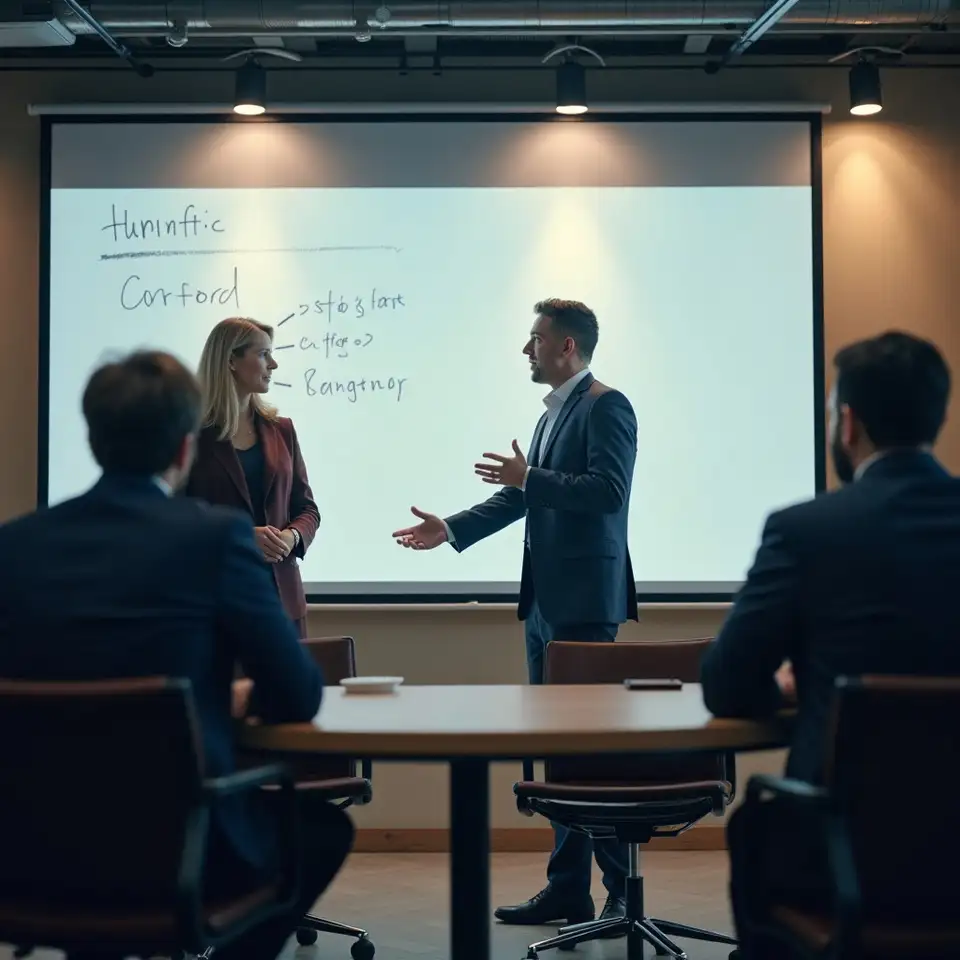

Group humility in practice

Scenario planning gets stronger when teams make room for doubt and honest review, not just bold ideas.

How group humility improves outcomes

  • Admitting uncertainty as a strength: Team members are encouraged to admit what they do not know, making the whole process more resilient.
  • Using regular feedback sessions: Regular group sessions create space for feedback and highlight overlooked details. Each review is a safeguard against hidden risks.
  • Logging mistakes for team learning: Mistakes are tracked, discussed, and logged—not hidden. This transparency helps everyone learn and adapt faster.
  • Private feedback channels matter: Quiet feedback, including private conversations, ensures that even hesitant participants have influence.

What’s inside this section

This page demonstrates how group humility turns scenario planning from a rigid checklist into a flexible, living process. By prioritizing regular feedback, honest reporting, and open dialogue, institutions avoid the trap of overconfidence. Quotes from experienced team members highlight how quietly logging mistakes, inviting basic questions, and reviewing plans together lead to fewer surprises and better adaptation. The content avoids jargon, focusing on simple, candid steps anyone can use, regardless of experience. Group humility is not just a soft skill—it is a practical advantage that supports steady, transparent improvement in planning outcomes.

Why quiet leadership works

Transparent, quietly led planning is now the gold standard for resilient scenario planning. This page uses examples and quotes to show how this approach reduces repeated mistakes and creates space for genuine improvement.

How group humility changes planning

The real value of humility in planning

Group humility is not a buzzword here. It is a habit—one that reshapes every scenario review session. Teams that work this way see fewer surprises, not because they predict more, but because they listen more. Beginners notice that even basic questions help uncover blind spots.

Mistakes are logged without blame. Quiet voices are sought out for feedback, and scheduled group reviews have become a norm. This routine lowers the odds of repeating past errors and makes every participant a contributor, not just an observer.

Open feedback is encouraged in every session, not just when mistakes appear.

Even quiet team members shape the final plan through one-on-one conversations.

Documenting failures helps future sessions avoid the same errors.

Team showing humility during scenario review

Group humility in action

Humility makes teams stronger

Team discussing feedback privately
Feedback matters

Private feedback in planning

Private conversations allow quieter team members to raise issues without pressure. This approach strengthens plans by inviting more perspectives.

Teams that regularly seek quiet feedback uncover risks and ideas that often stay hidden. Open dialogue in different formats reduces the chance of missing critical details.

Humility in scenario planning

Scenario planning used to reward bold predictions and quick answers. Now, institutions find that group humility and slow, honest review prevent more costly mistakes. The process is practical: ask questions, log errors, and adjust often.

Quiet feedback and one-on-one conversations help surface concerns that might be missed in larger meetings. This method values every participant’s input, building stronger and more adaptive plans.

Beginners and skeptics alike see the advantage: it is not about avoiding all mistakes, but about making fewer repeat ones. No one is expected to know everything—the goal is honest, ongoing improvement.
Group reviewing scenarios together

Group humility in scenario planning: real examples

Cookie preferences

This site uses cookies to keep settings, improve service, and gather anonymous feedback. You can review preferences or withdraw consent any time.